Suicide of a Loved One
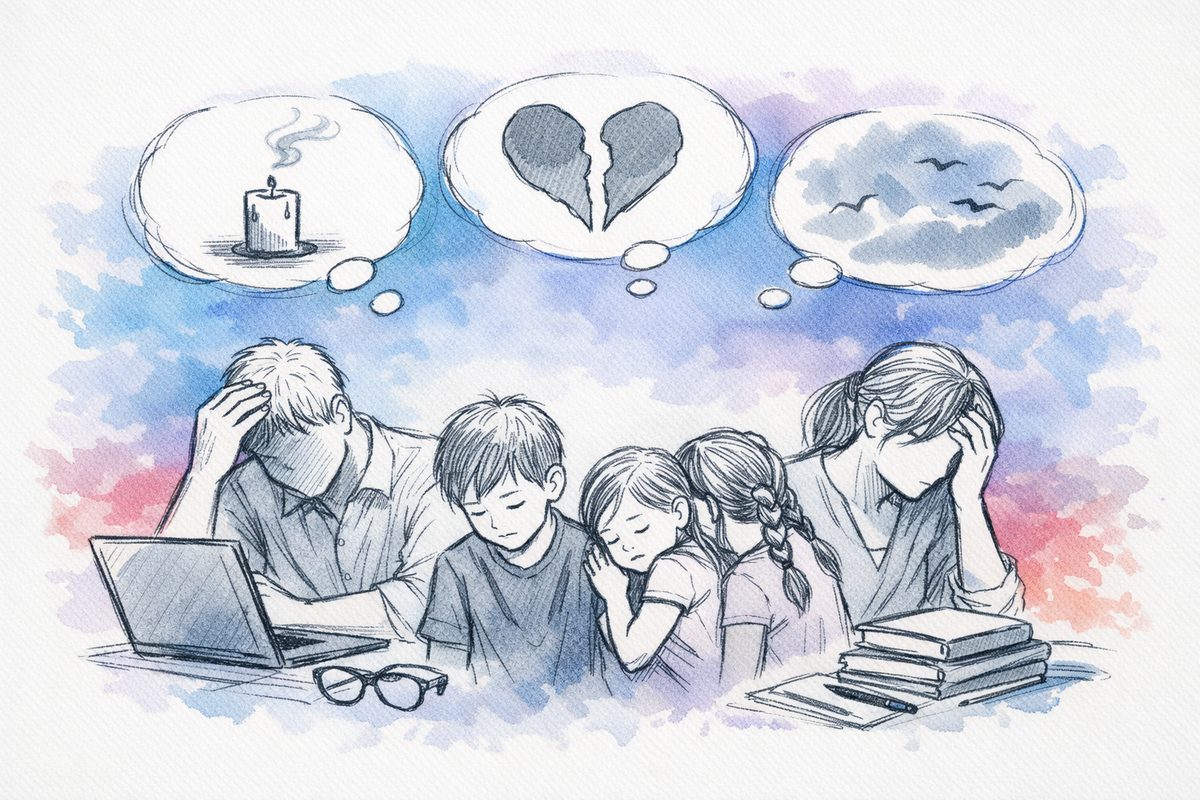
Losing a loved one is always a profound rupture, yet when death occurs by suicide, grief becomes uniquely layered and demanding. Those who mourn such losses face intense and often conflicting emotions such as guilt, isolation, trauma, and a painful search for meaning. Suicide disrupts the psychic continuity of relationships, leaving survivors with unanswered questions and a solitude that can feel difficult to share.
Guilt is one of the most pervasive emotions in suicide bereavement. It is especially pronounced in younger individuals, who may believe they should have prevented the tragedy or recognized signs they missed. This guilt may be unconscious, detached from reality, rooted in deep fantasies of responsibility or inadequacy. To protect themselves, individuals may resort to denial, emotional numbing, or idealisation of the deceased. Ambivalent feelings are common: anger, resentment, or even relief may coexist with love and longing. Psychotherapy provides a space where these contradictions can be explored and integrated, allowing for a more coherent and compassionate grieving process.
A sense of being “different” often emerges among those grieving a suicide. This distinctiveness can lead to profound isolation, amplified by the stigma surrounding suicide. Therapeutic work involves rebuilding connections, including through specialised support groups where survivors can share experiences without judgment and find a sense of community.
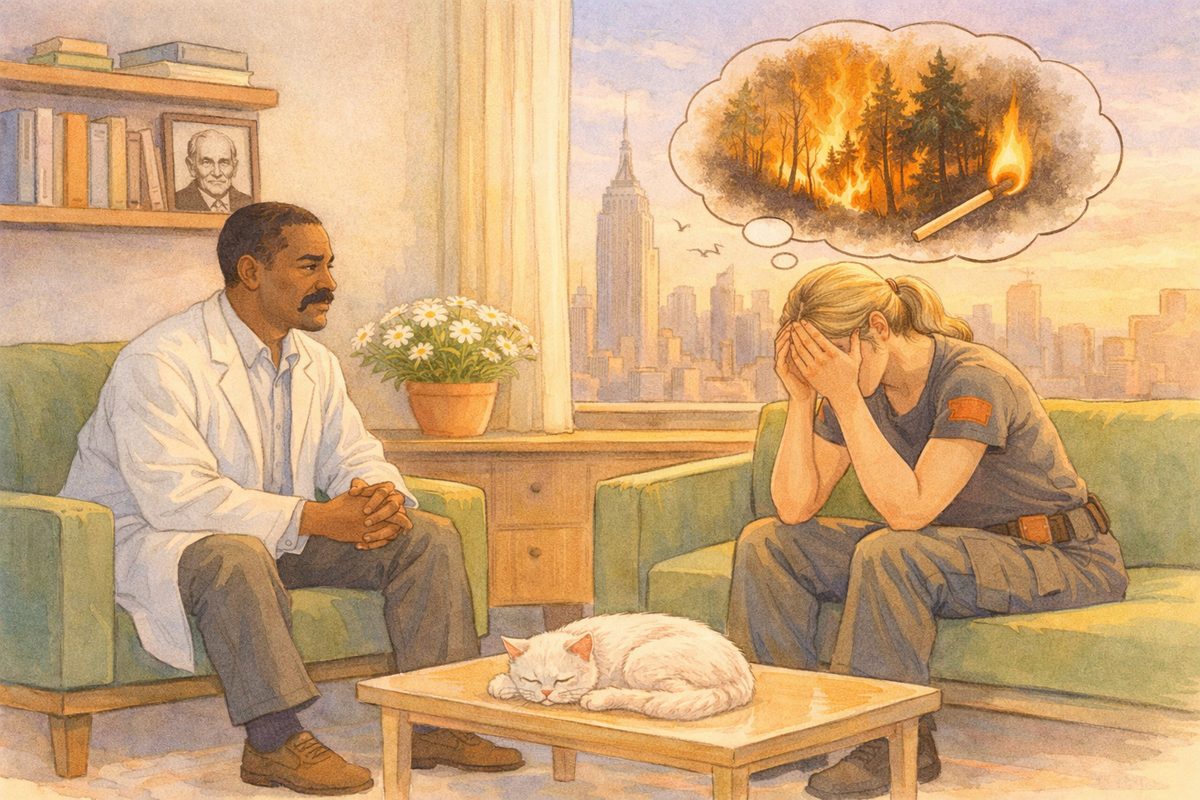
Traumatic images frequently intrude into the minds of those bereaved by suicide. These mental scenes can be overwhelming and persistent. Trauma-focused therapeutic approaches help individuals articulate these experiences, reduce their emotional intensity, and weave them into a personal narrative. Regaining the ability to tell one’s story (even in fragments) becomes a reparative act that restores agency and emotional coherence.
Beyond addressing guilt, isolation, and trauma, recognising personal strengths is essential. Each individual possesses unique capacities and resilience that can support the long and demanding path of mourning. Tailored therapeutic approaches highlight these inner resources and foster the emergence of renewed vitality.
Grieving a loved one lost to suicide is a deeply personal and multifaceted journey. By working through guilt, acknowledging the specific nature of suicide bereavement, processing traumatic imagery, and drawing on personal strengths, therapy offers pathways toward healing. Seeking support and embracing one’s resilience are acts of care, gestures that honour both the lost relationship and the life that continues.
References
American Foundation for Suicide Prevention. (2022). Surviving a suicide loss: A resource for families and friends. AFSP.
Jordan, J. R., & McIntosh, J. L. (Eds.). (2011). Grief after suicide: Understanding the consequences and caring for the survivors. Routledge.
Neimeyer, R. A. (2016). Techniques of grief therapy: Assessment and intervention. Routledge.
Worden, J. W. (2009). Grief counseling and grief therapy: A handbook for the mental health practitioner (4th ed.). Springer.