Beyond IQ Test Results: Understanding and supporting gifted individuals
Giftedness, defined as “a superior and early intellectual development,” requires particular attention in psychological practice. Our role goes far beyond administering WAIS or WISC tests: it involves understanding what these results reveal about the patient’s global functioning, their relationship to learning, effort, frustration, and sometimes to difference itself.
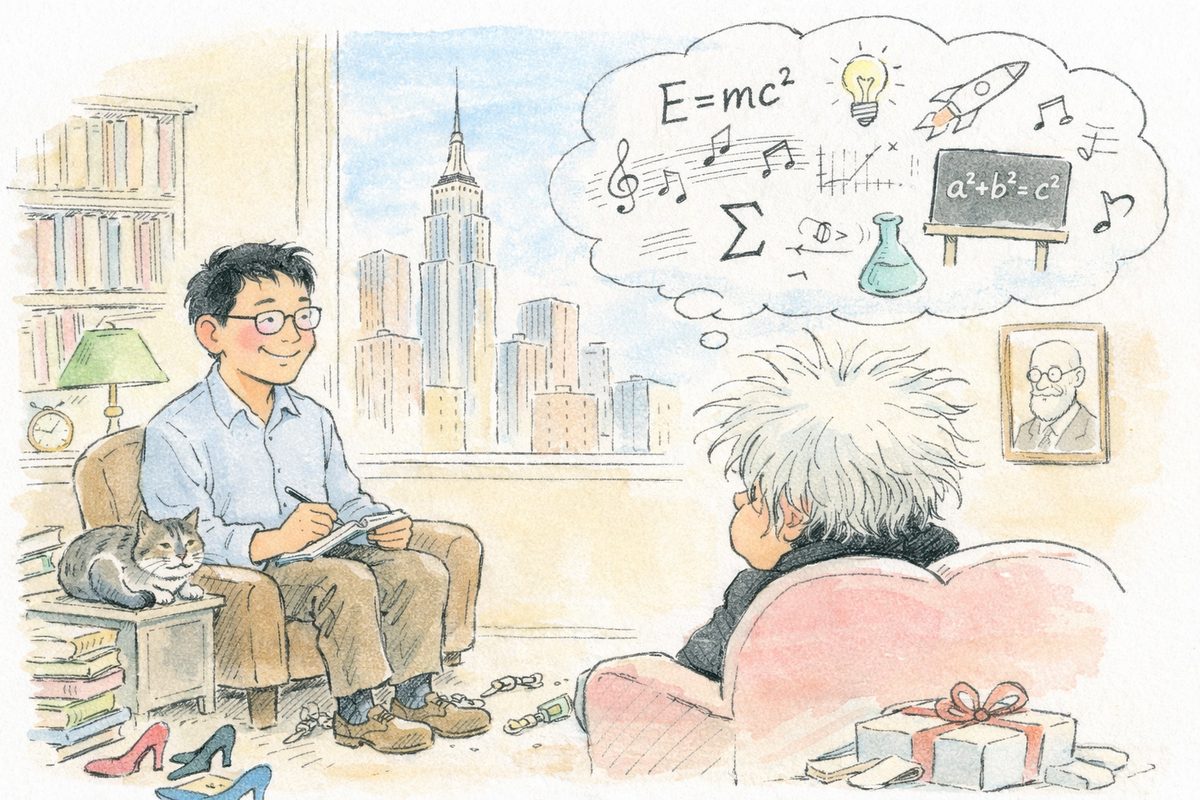
The Wechsler scales are valuable assessment tools, but interpretation must go beyond the global score. Subtests reveal unique cognitive profiles: very strong working memory with slower processing speed, exceptional reasoning with attentional fragility, vivid creativity with difficulty organising information. These nuances form a cognitive landscape that cannot be reduced to a single number.
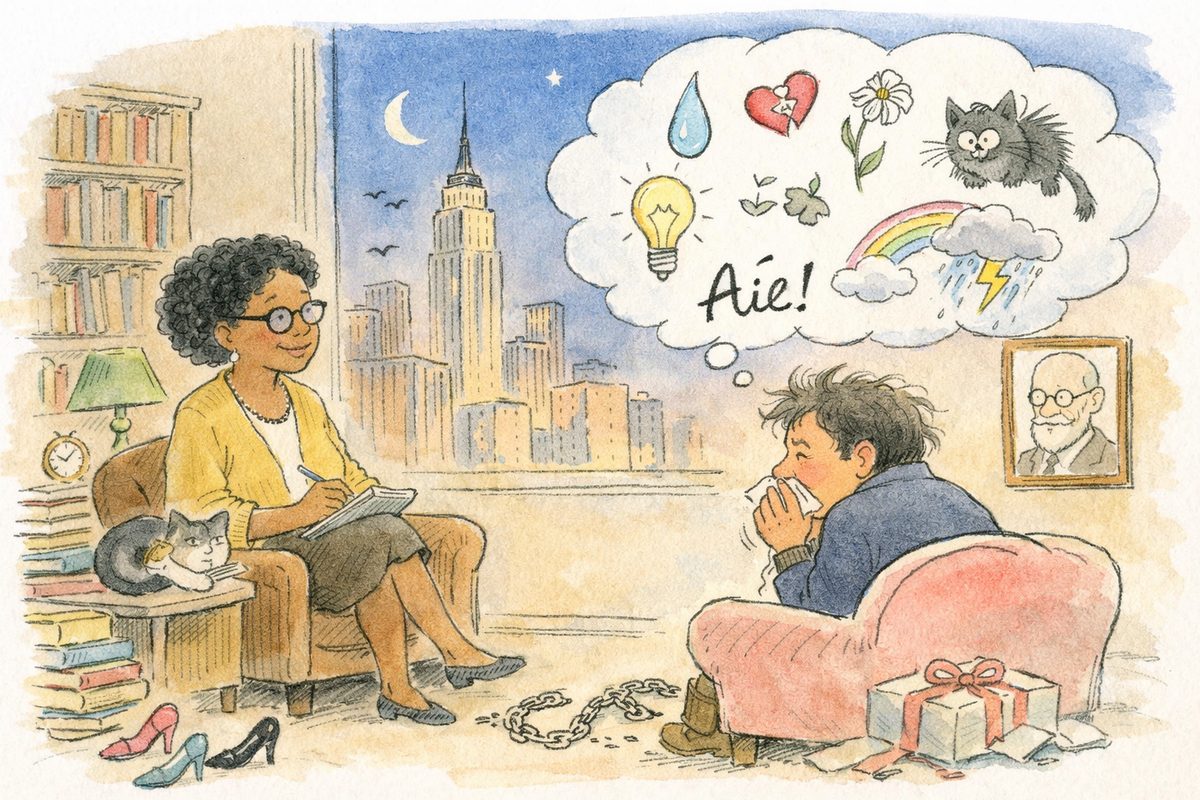
Contextualising results with patients is essential. Some adults discover that their rapid thinking, often experienced as impatience or mismatch, reflects their cognitive functioning. Others understand why school was a place of boredom or suffering despite their abilities. In children, results shed light on adaptation difficulties, oppositional behaviours, or emotional hypersensitivity that was previously misunderstood.
Test results are a starting point for structured, in‑depth conversations. Giftedness often comes with specific challenges: high internal expectations, perfectionism, difficulty tolerating mistakes, social mismatch, or paradoxically fragile self‑esteem. Clinical interpretation helps connect these elements and give meaning to what once felt scattered.
Our approach extends beyond the individual by integrating the family, school and professional environments. A gifted child may thrive in a stimulating setting but feel constrained in a rigid one. An adult may excel professionally while suffering from lack of recognition or intellectual isolation. The test becomes a systemic tool for understanding.
A strong therapeutic relationship is essential. Creating a space of trust allows patients to express their feelings, doubts and aspirations. For adults, this includes assertiveness, stress management and emotional regulation. For children, collaboration with parents and teachers helps adjust expectations, support motivation and prevent exhaustion or disengagement.
Test results only gain meaning when integrated into a global, contextualised perspective. Our task is to help each patient understand their giftedness in relation to daily challenges and opportunities, and to provide tools to cultivate their unique potential. Giftedness is not a label but a path toward self‑understanding.
References
Wechsler, D. (2008). WAIS‑IV Technical and Interpretive Manual. Pearson. Wechsler, D. (2014). WISC‑V Clinical Manual. Pearson. Terrassier, J.‑C. (2009). Les enfants surdoués. ESF. Siaud‑Facchin, J. (2002). L’enfant surdoué. Odile Jacob. Gagné, F. (2004). Transforming gifts into talents. High Ability Studies, 15(2), 119‑147.